
Study before commitment
Every project or transaction starts by understanding its technical, commercial and regulatory facts before any decision is made.
Green Future Energy brings together sustainable energy solutions, solar and wind development, international oil trading, and oil and gas expertise to support a more efficient and responsible energy future.
Green Future Energy works across the energy sector in its broadest sense: from recovering energy from waste and developing solar and wind projects to international petroleum trading and oil and gas infrastructure development.
This breadth brings together two paths that complement each other: the transition towards cleaner sources of energy, and meeting today's energy demand efficiently and responsibly. In every area we rely on sound technical understanding, clear commercial procedures and respect for the environmental and regulatory requirements of each market we work in.
Every project or transaction starts by understanding its technical, commercial and regulatory facts before any decision is made.
We document stages, responsibilities and terms in language every party can understand.
We weigh the effect of each decision on the environment, communities and safety over the long run.
Each area has its own detailed page explaining the technologies, procedures and practical considerations. Here is a brief look at each.
Solutions that recover the energy stored in municipal, commercial and organic waste and convert it into electricity, heat or biogas within environmentally controlled treatment systems.
Read more — Waste-to-EnergyPhotovoltaic projects that start with site and solar resource assessment and extend through design, installation, operation and monitoring for utilities, commercial and industrial users.
Read more — Solar EnergyOnshore and offshore wind farms that start with wind-resource measurement and site assessment and extend through planning, grid connection and operation, with the option of combining them with solar and storage.
Read more — Wind EnergyCoordinating international transactions in crude oil and refined products through structured procedures covering specifications, documentation, inspection, shipping and counterparty verification.
Read more — Petroleum Products TradingPlanning and developing oil and gas infrastructure across upstream, midstream and downstream — from project assessment and feasibility to testing and operational readiness.
Read more — Oil & Gas Field DevelopmentPick a stage to follow waste through a typical thermal treatment plant — from the moment it arrives to the moment it becomes electricity on the grid.
Simplified view of a typical plant; technologies and layouts vary from project to project.
Collection trucks unload inside an enclosed reception hall into a large bunker. An overhead crane keeps mixing the waste so it burns evenly, and unsuitable items are removed before feeding.
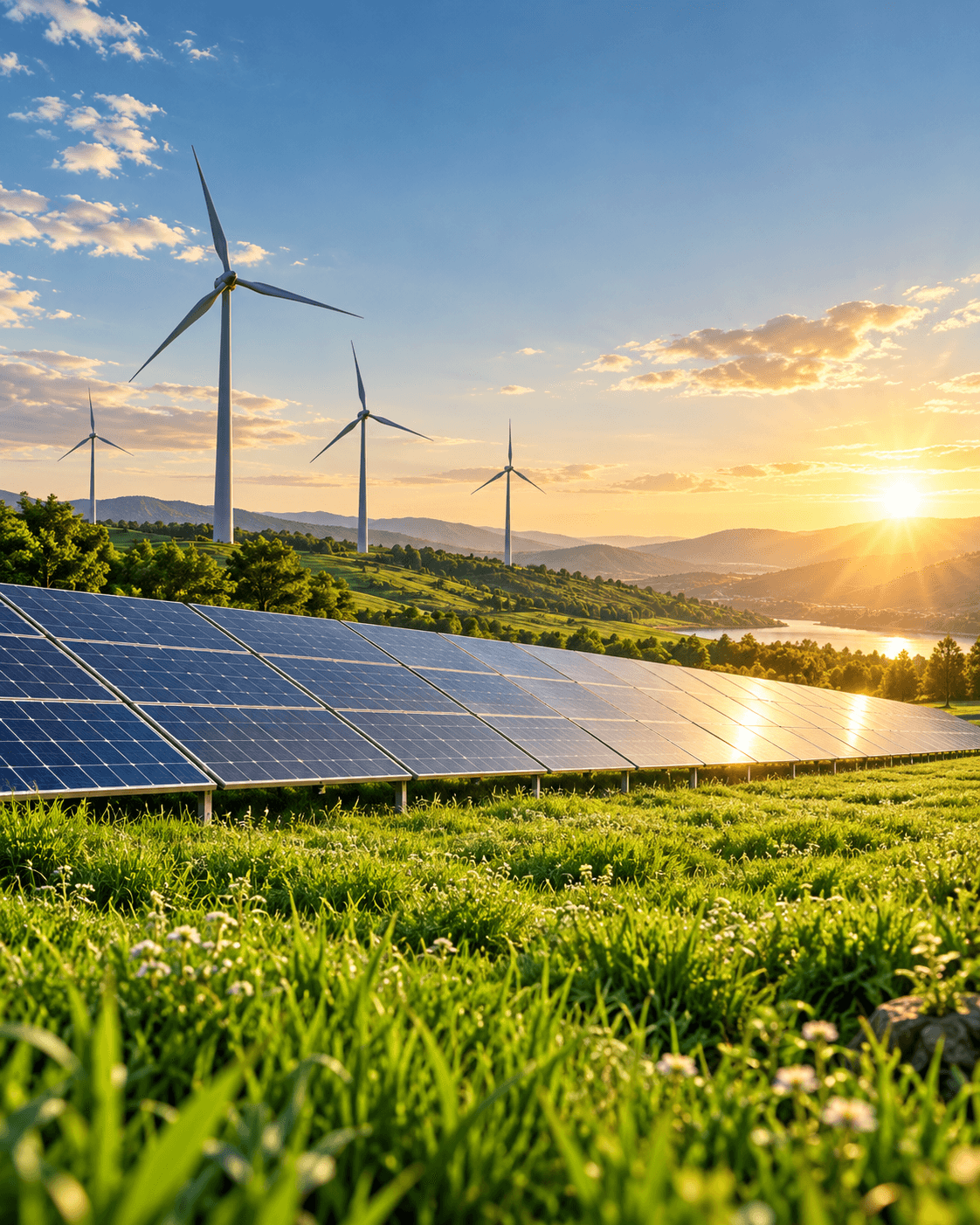
Solar is one of the most adaptable sources of electricity: it can feed the grid from a large ground-mounted plant, serve a factory or warehouse from its own roof, or power a remote site far from the network.
Turbines turn moving air into clean electricity — in onshore farms among the fields or offshore farms that harness stronger sea winds — and complement solar when the wind blows at night and in less sunny seasons.

International oil trading demands precise specifications, clear documentation and tightly coordinated inspection, shipping and payment. We coordinate these stages with careful attention to compliance and counterparty verification in every transaction.
See how trading worksDocuments commonly seen in transactions
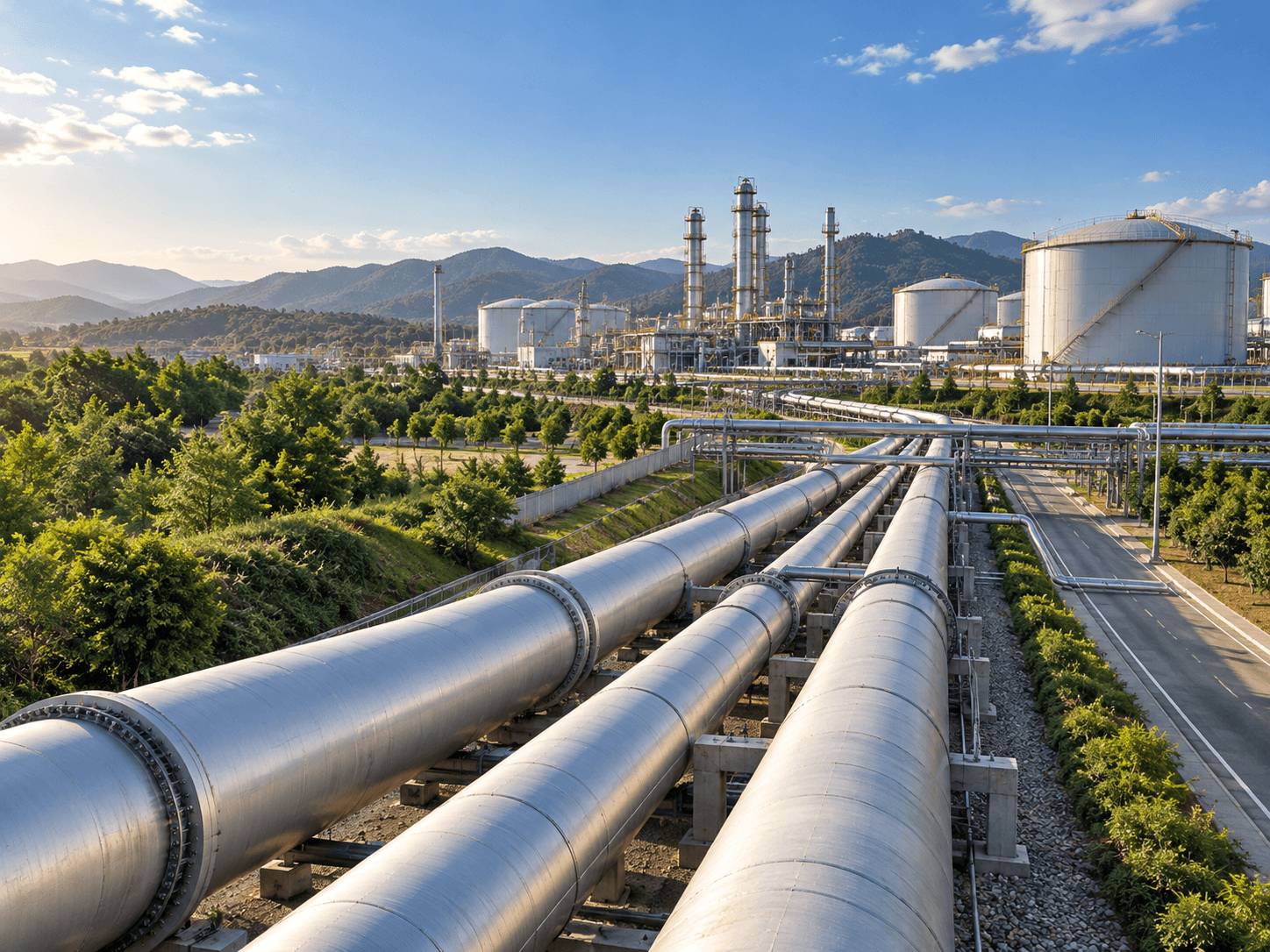
From production facilities to pipelines, storage terminals and processing plants, oil and gas projects need integrated planning that balances operational efficiency, safety and environmental responsibility across the life of the asset.
We work with project owners and investors to arrange the stages of establishing factories and industrial facilities — particularly those linked to energy, oil and gas — from the first idea through operation and handover, with clear coordination between every party.
Defining the product and target capacity, and studying the market and the technical and economic feasibility before any decision.
Assessing sites for infrastructure, utilities and access, and following up permit, regulatory and environmental approval requirements.
Defining suitable production lines and technologies, engaging suppliers, and evaluating technical and commercial offers.
Coordinating engineering design and preparing the scope of work and contract documents for contractors and equipment suppliers.
Following schedules, quality and site safety, and coordinating work between contractors and suppliers.
Performance testing and trial operation, training operating teams, and handing over the facility with its technical documentation.
In a circular economy, waste is not the end of the road. What cannot be recycled becomes energy, and what remains after treatment returns as usable material.
Every tonne treated is a tonne not buried — limiting methane emissions and leachate seeping into soil and groundwater.
Locally available fuel and round-the-clock output support energy security and complement intermittent renewables.
Metals are extracted from the ash, and treated ash is reused in building materials and road construction.
Multi-stage gas cleaning and continuous emissions monitoring — instead of open dumps and uncontrolled burning.
Source: World Bank, What a Waste 2.0 (2018)
To contribute to a more sustainable energy future through innovation, resource efficiency, and environmental responsibility.
To deliver practical, reliable energy solutions across energy recovery from waste, solar power, and oil and gas — guided by clear procedures and responsible safety and environmental standards.
Our partners in the 76 MW waste-to-energy plant in Mosul, Iraq